







UNESCO and the FIVA enter into an official partnership
Back
to protect our automotive heritage.
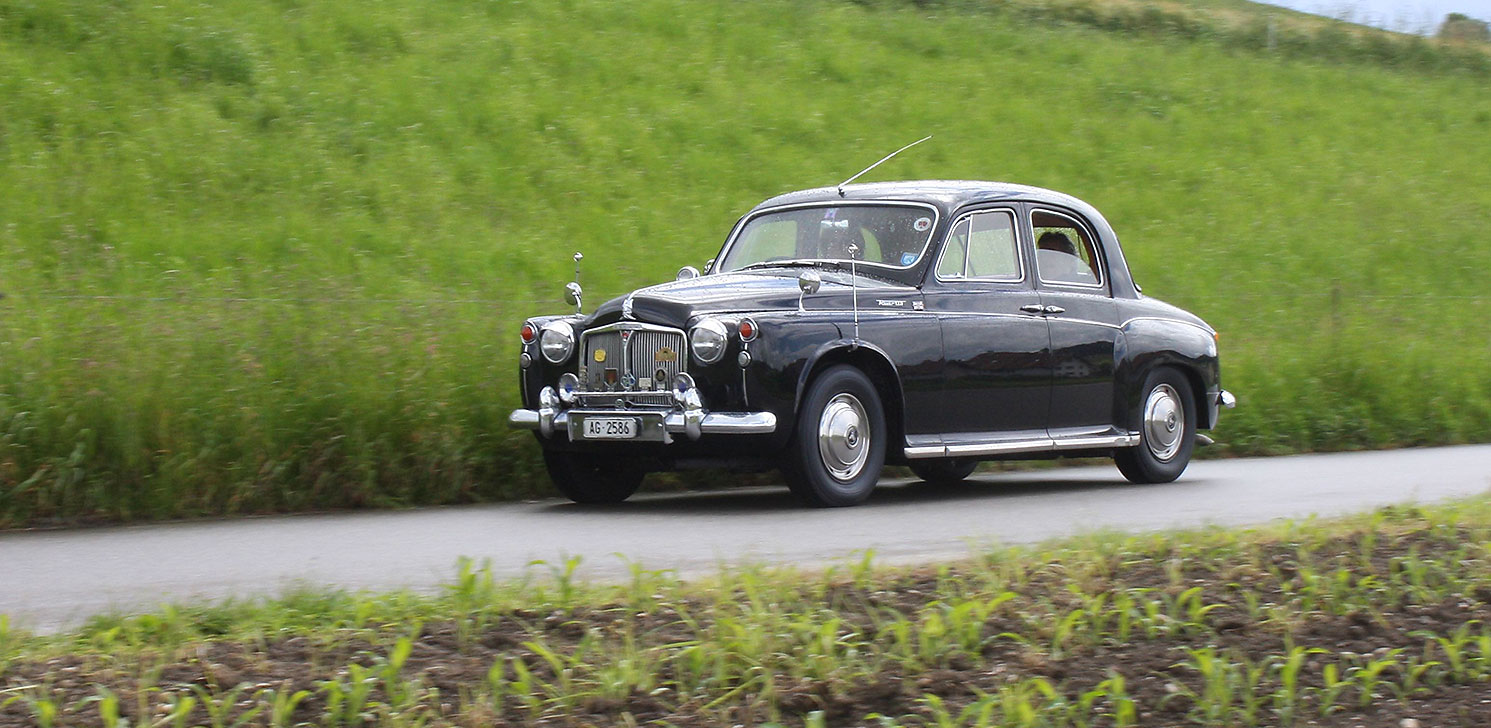
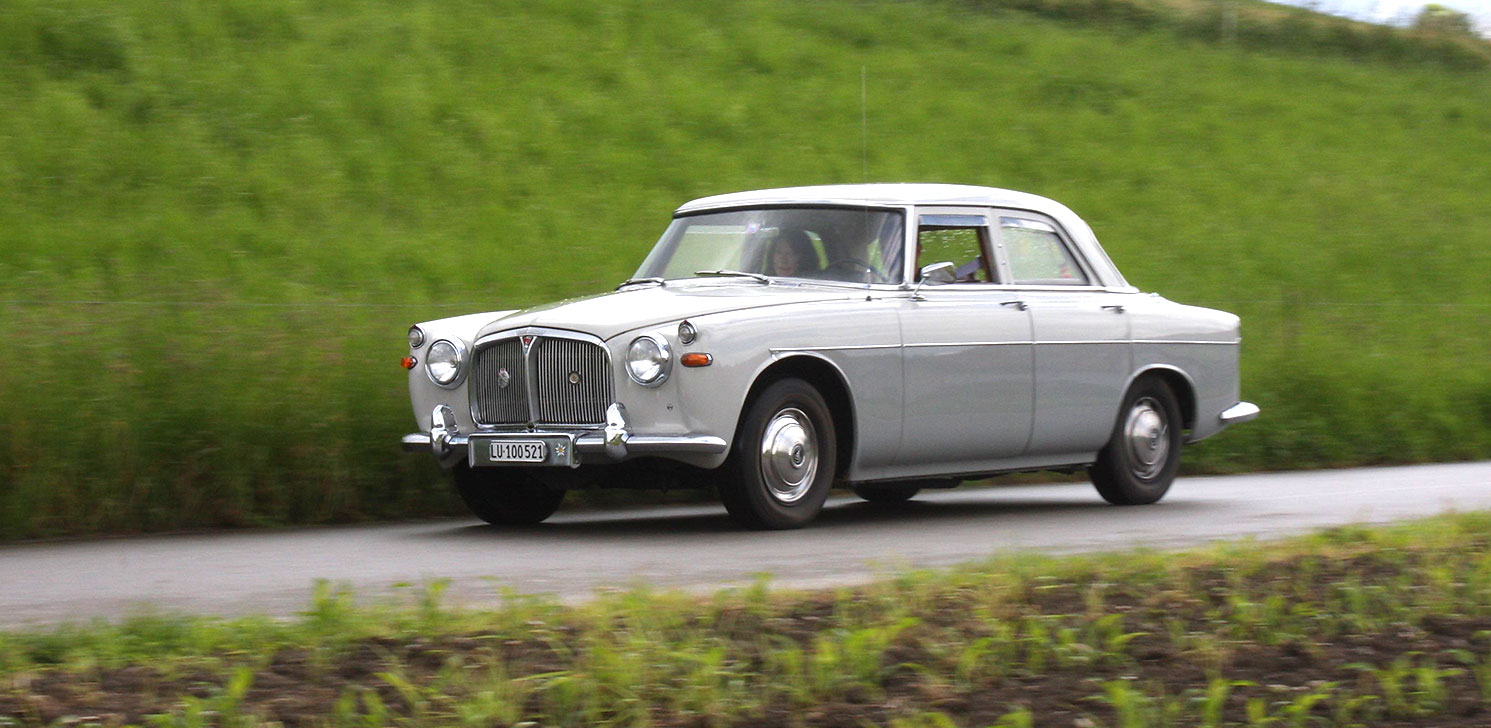
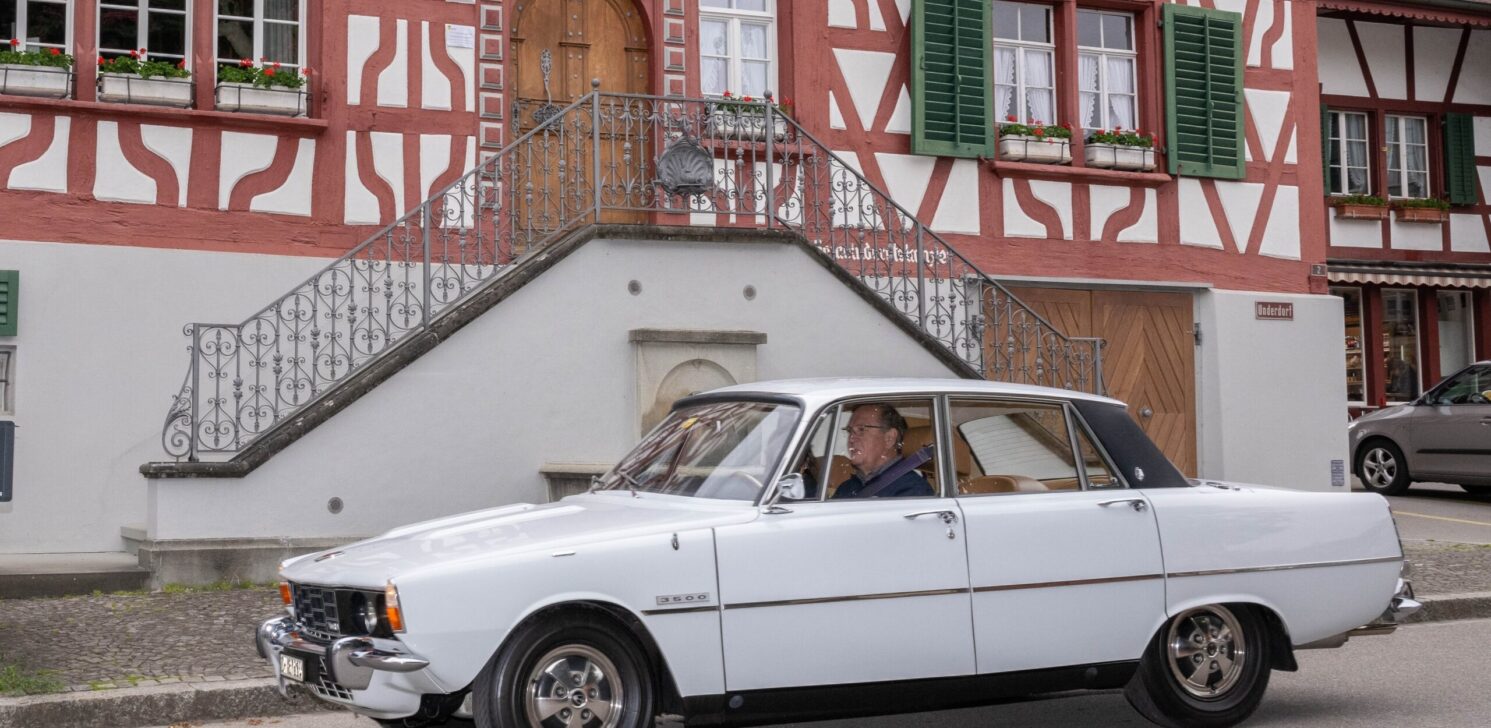
In a move that clearly demonstrates the importance of historic vehicles as a cultural asset to society's heritage, the Director General of UNESCO, Ms. Irina Bokova, has given her approval to an official partnership with consultative status to FIVA, Fédération Internationale des Véhicules Anciens. Ms. Bokova continues: "FIVA's commitment to the preservation of our industrial heritage goes hand in hand with UNESCO's objectives in this area. The partnership between the two organizations will certainly create synergies and support the effectiveness of our respective activities." Furthermore, Ms. Bokova underlines her expectations that this partnership will open up new avenues for future cooperation.
FIVA President Patrick Rollet says: "We are very honored by UNESCO's decision to enter into this partnership. It holds great promise for the future of the global historic vehicle movement. Following Ms. Bokova's invitation, I hope to meet Francesco Bandarin, Assistant Director-General for Culture at UNESCO, as soon as possible to discuss the possibilities and commitments regarding this very welcome partnership.
Remarks SHVF
The SHVF "Swiss Historic Vehicle Federation", as the national authority of the FIVA "Fédération Internationale des Véhicules Anciens" in Switzerland, welcomes this partnership. It represents an important step towards classic vehicles being recognized as a historical factor with a strong influence on society. It is also an important cultural asset that will be preserved for future generations.
Automobile culture is not just about preserving the historic vehicles that will still be on our roads in the future. After all, that is why they were invented and built. It also includes the technical developments of the vehicles, the production facilities, the history and the inventive spirit of the car pioneers. Last but not least, it is of course important to document the mobility made possible by motorization with all its economic and social consequences. The historic vehicles are contemporary witnesses and are of great economic importance today.
Back